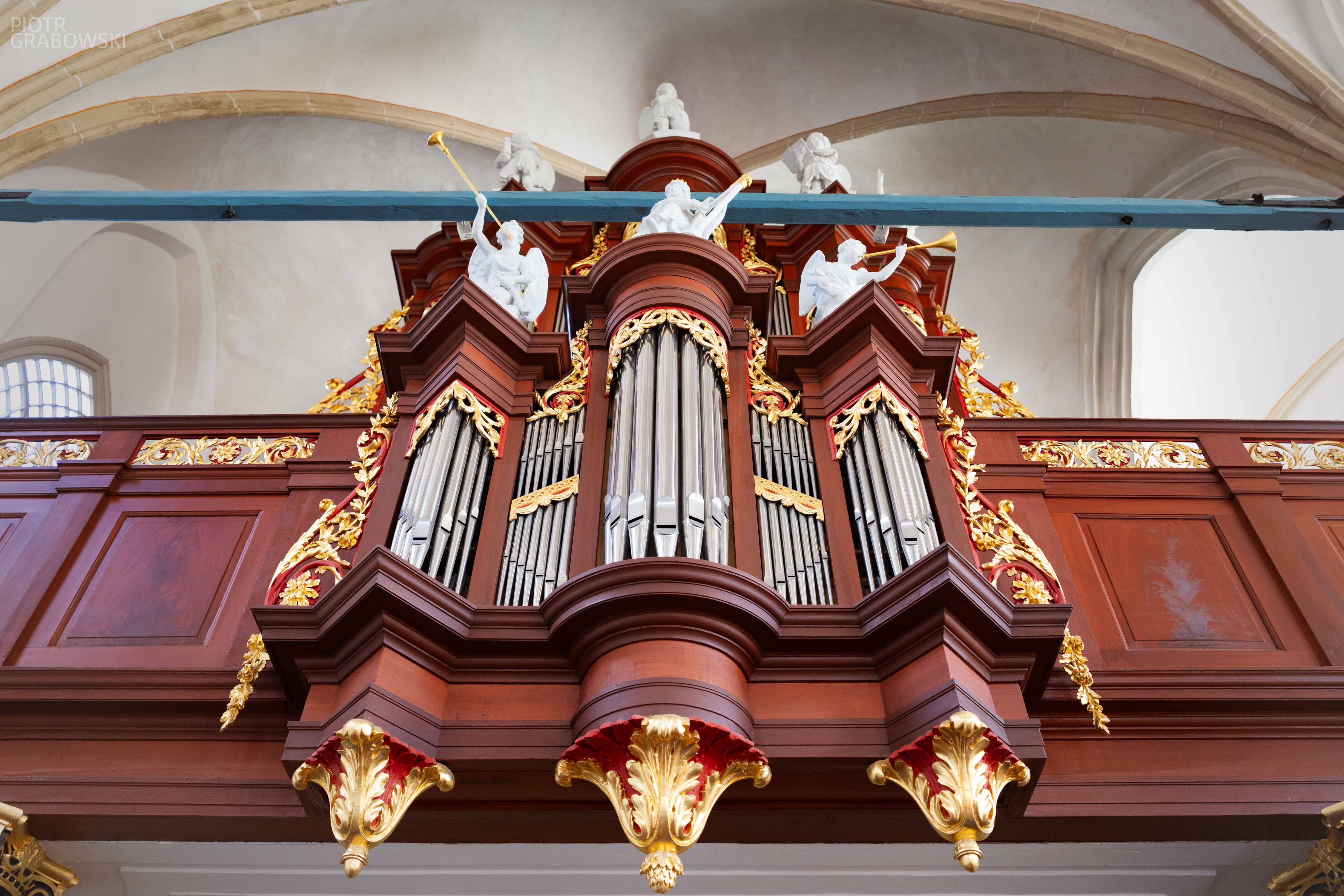
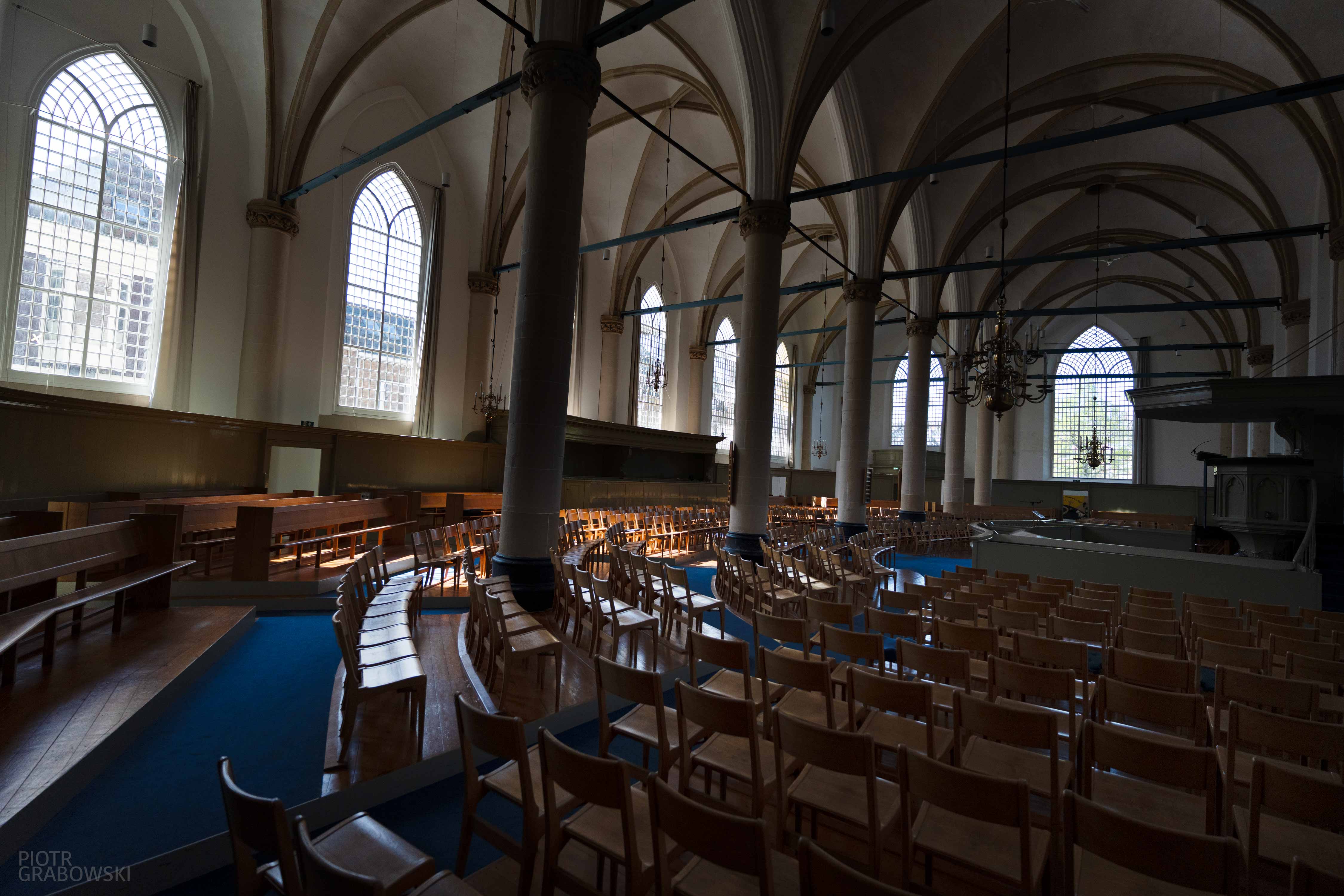
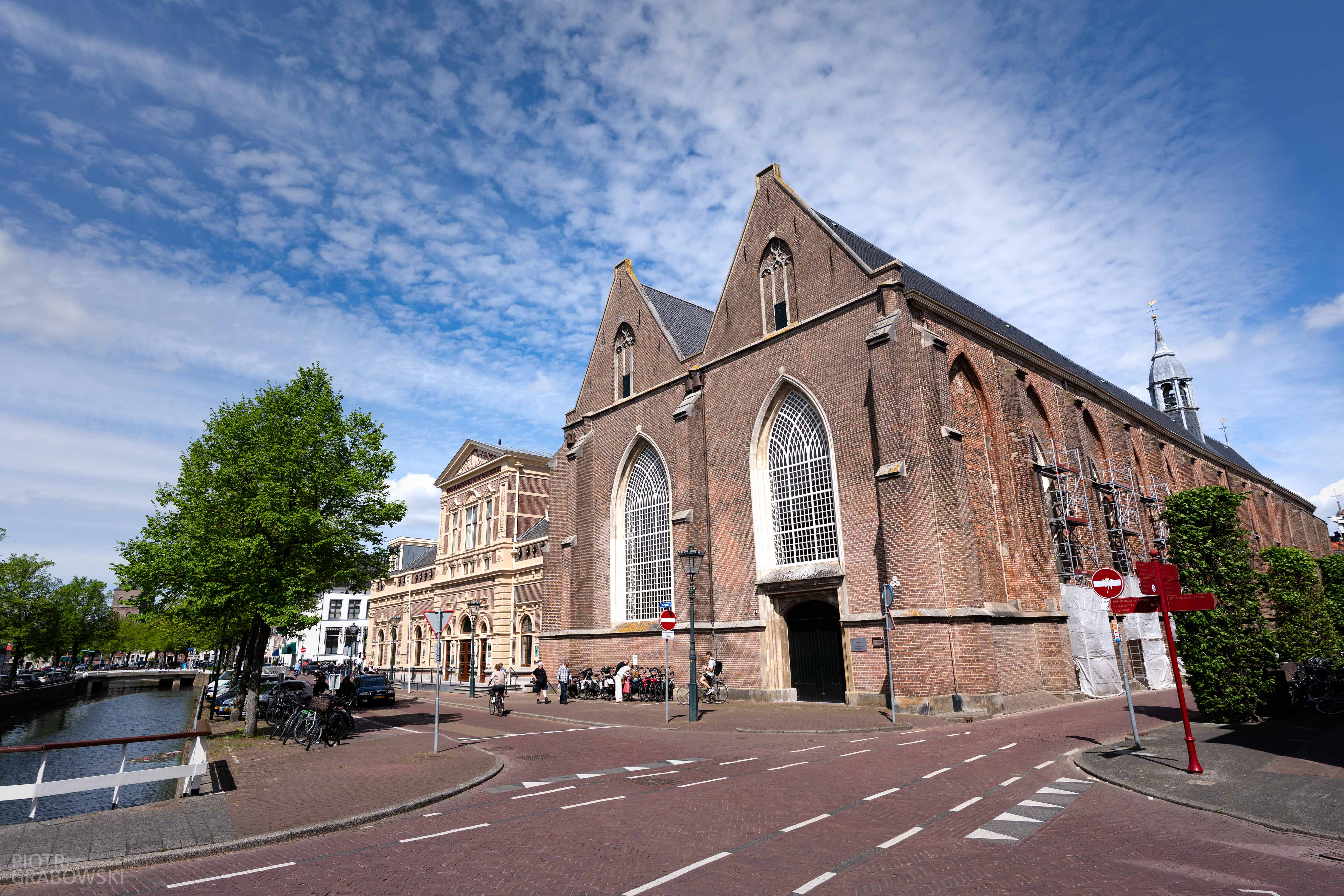
Kampen is a historic Hanseatic city in the province of Overijssel in the central-eastern Netherlands. Situated along the IJssel River, not far from Zwolle, it is known for its beautifully preserved medieval centre and rich ecclesiastical heritage. One of its notable churches is the Broederkerk, whose organ has undergone a long evolution.
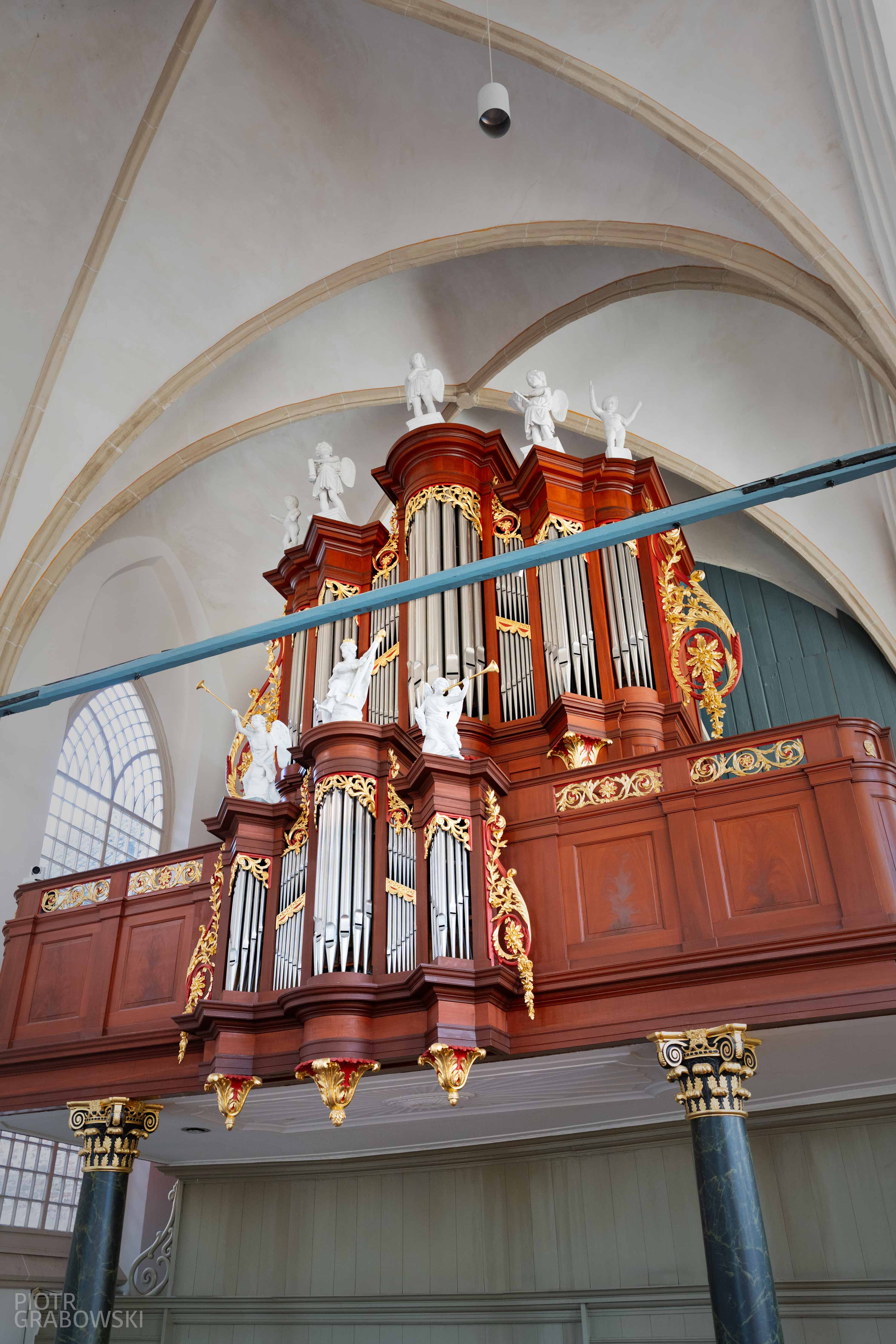
The earliest instrument in the Broederkerk was built around 1620 by Jan Morlet II and was subsequently altered and expanded several times throughout the 17th and 18th centuries, including by Albertus Hinsz and members of the Schnitger tradition. After the interior of the church was remodelled in 1811, a new organ was erected against the newly constructed choir screen by Albertus Johannes van Gruisen of Leeuwarden. Its elegant case was completed in 1821 and incorporated several ranks from earlier instruments.
During the late 19th and early 20th centuries the organ was repeatedly enlarged and modernised. Zwier van Dijk expanded the case in 1882, and in 1911–1912 Jan Proper rebuilt the instrument extensively, adding a pneumatic pedal division, reworking the upperwork, and enlarging the stoplist in a late-Romantic spirit. Further tonal changes followed in 1938 and again in 1960, reflecting the prevailing tastes of their time.
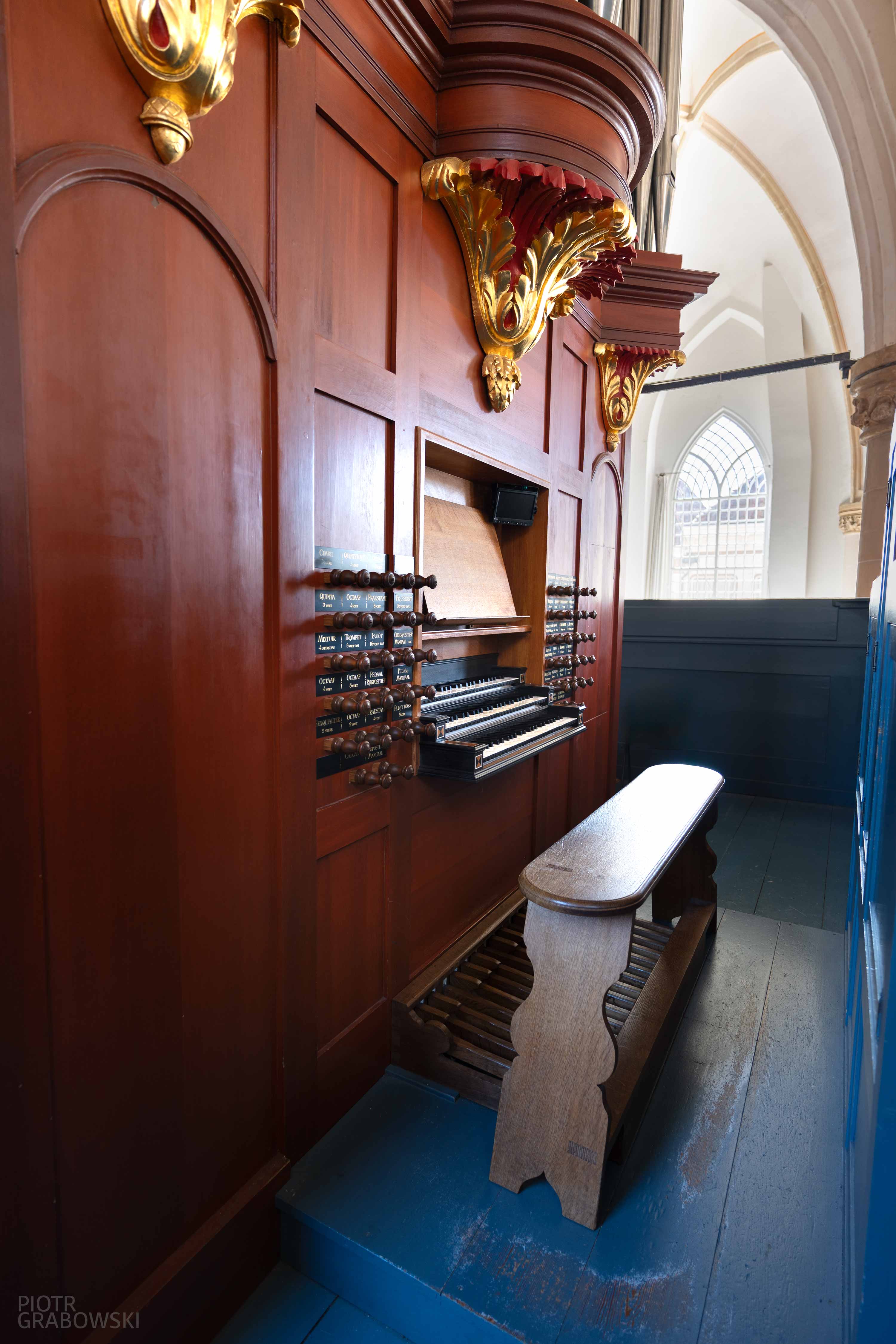
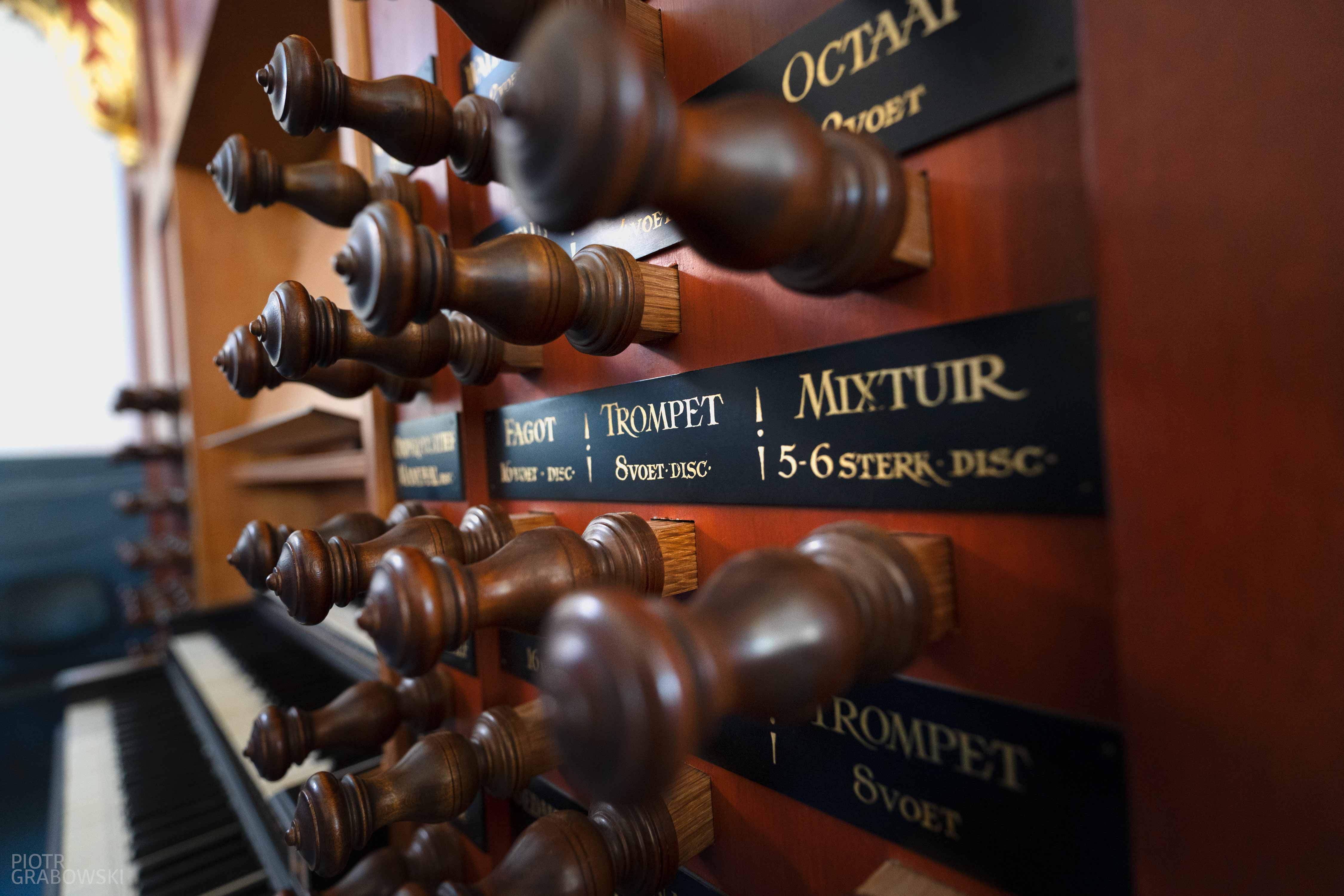
A major restoration took place between 1989 and 1993, guided by the desire to return to an aesthetic and technical concept closer to that of the early 20th century. A third manual was added, the dormant Rugpositief case was brought back into use, and the pneumatic pedal was replaced by a mechanical one. The internal layout of the divisions was reorganised, and pipework from various historical phases was carefully restored or reconstructed. The instrument was re-inaugurated on 31 March 1993, played by organist Henk van Putten.
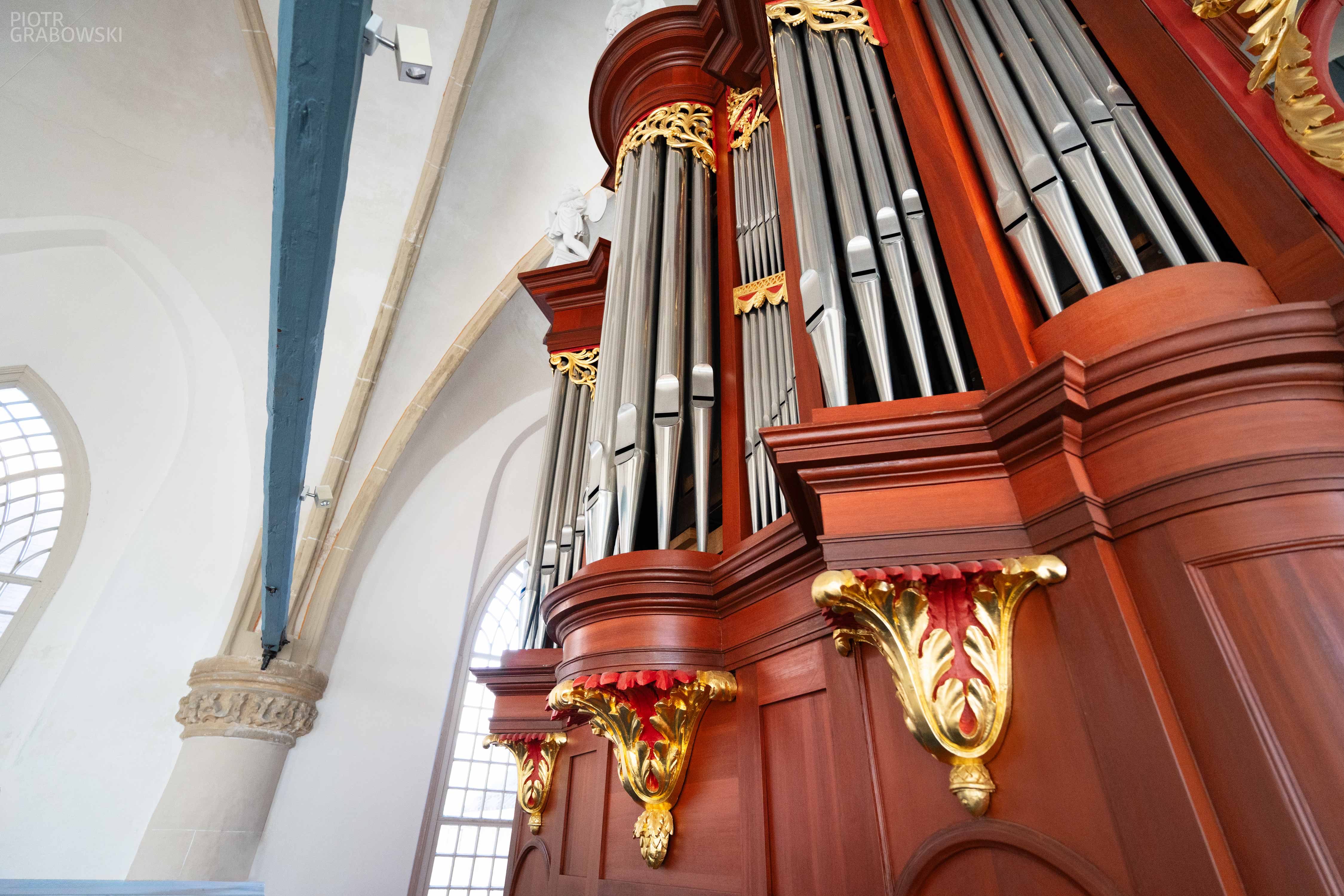
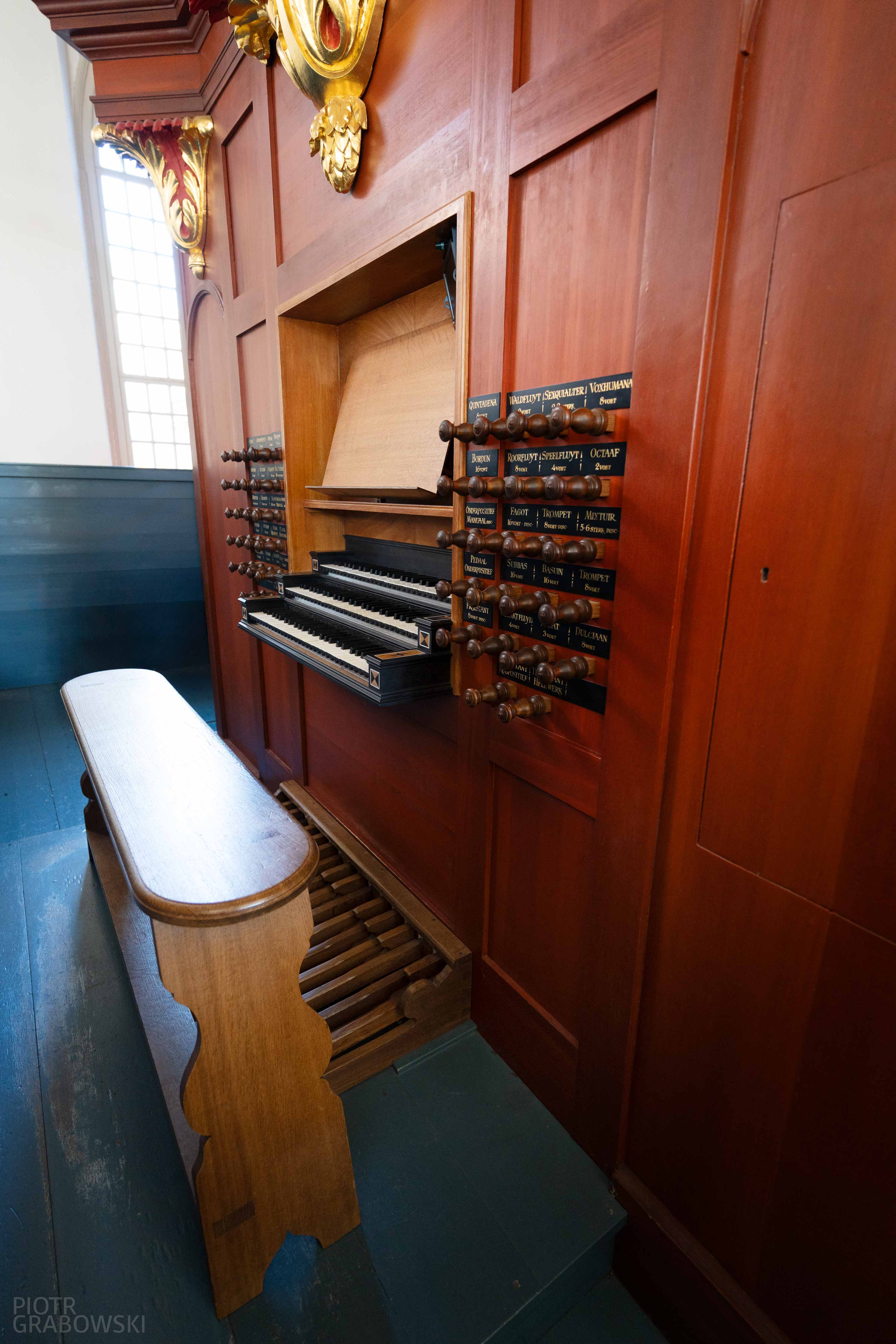
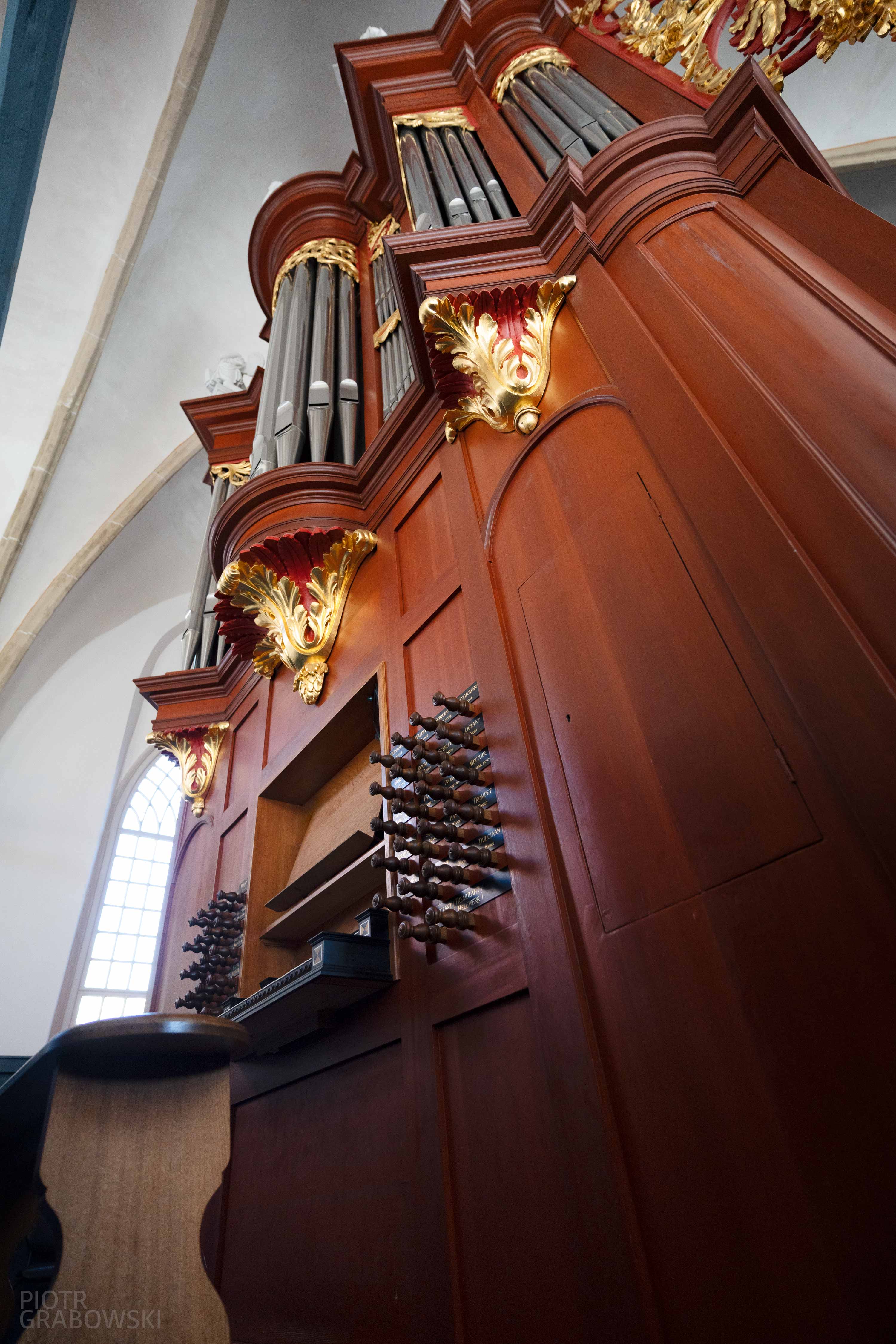
The Onderpositief division is located at the bottom of the organ, directly behind the console, on both sides of the organ case. On the sides of the case there are openwork sound openings, allowing the sound to project sideways and creating an impression of distance. This division contains the oldest pipework of the instrument.
The keyboard compass in the sample set was extended in the manuals, from C-f3 (C2-F6) to C-a3 (C2-A6) and in pedal from C-d1 (C2-D4) to C-f1 (C2-F4).
Despite numerous rebuildings, part of the historic pipework has survived. Combined with carefully reconstructed material, it results in a coherent and colourful sound that rewards both performers and listeners.
Listening perspectives
Using this audio player you can listen to different audio channels the sample set is made of.
Use the sliders corresponding for each audio group to modify its volume.
Vincent de Ridder - Improvisation on Psalm 95 performed by Vincent de Ridder
Technical details
Order
Choose which version you want to order. If you want to try the demo first, use the Add to cart button close to Demo version label and proceed to the checkout to get the download link. The only limitation of demo versions is the number of available stops. Click Show demo version button under the stoplist to see the available stops.
Updates
Last update: 18th December 2025
Downloads:
Full version 1.02 Demo version 1.02
Release notes:
1.02 - Manual couplers now press keys on other manuals when engaged, like they should.
1.01 - Fixed strange behaviour of RP Dulciaan 8 and other reed stops for portato notes.