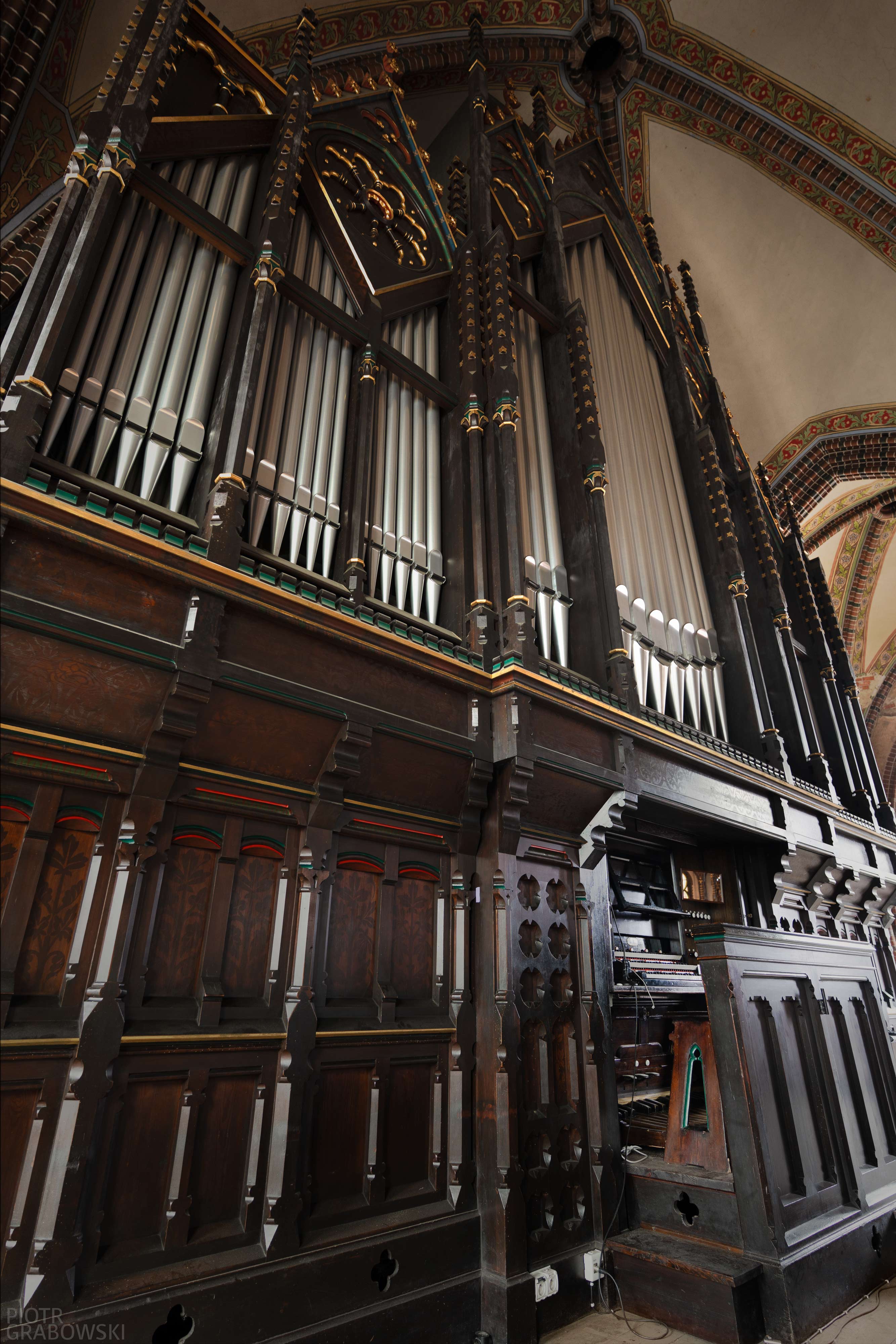
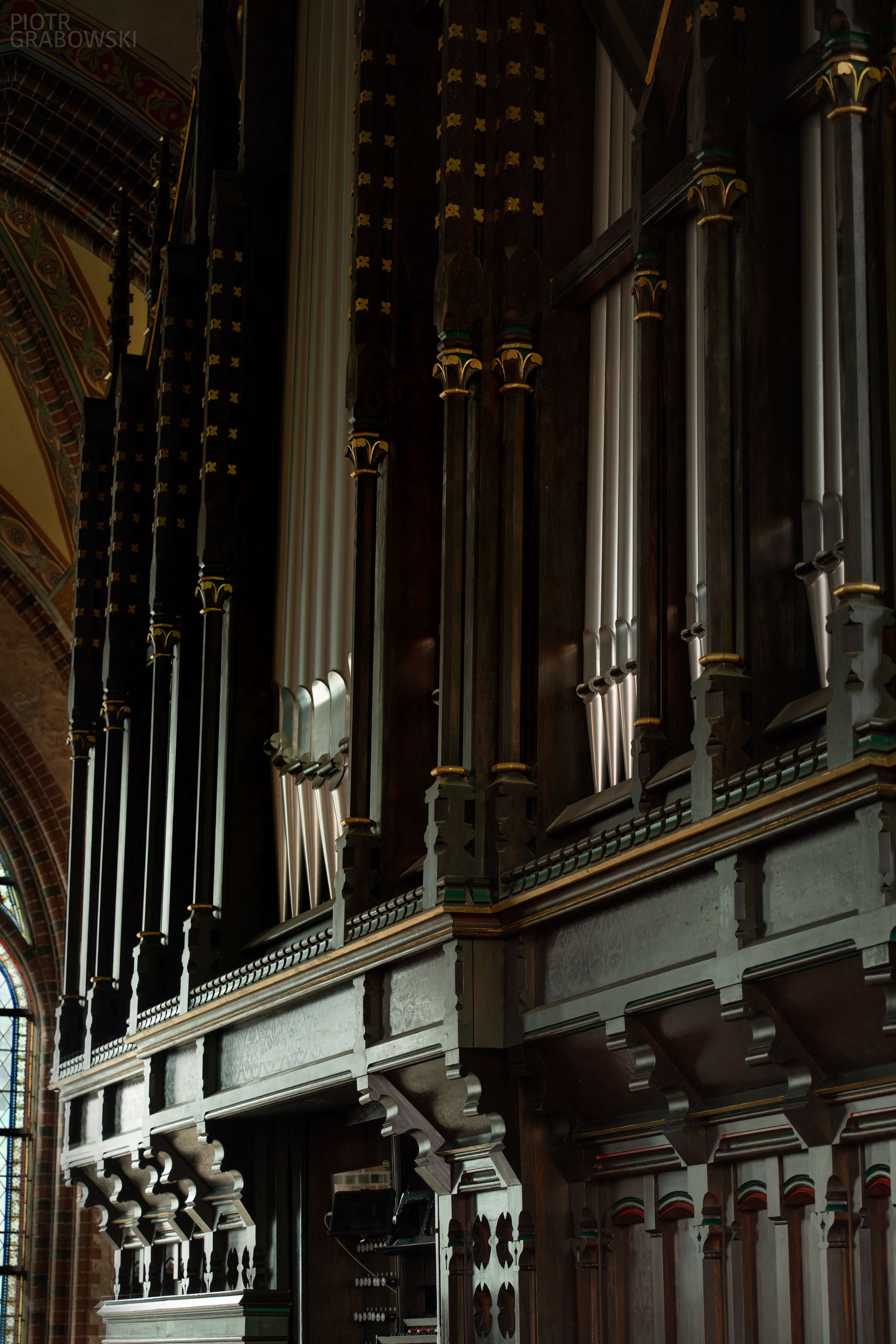
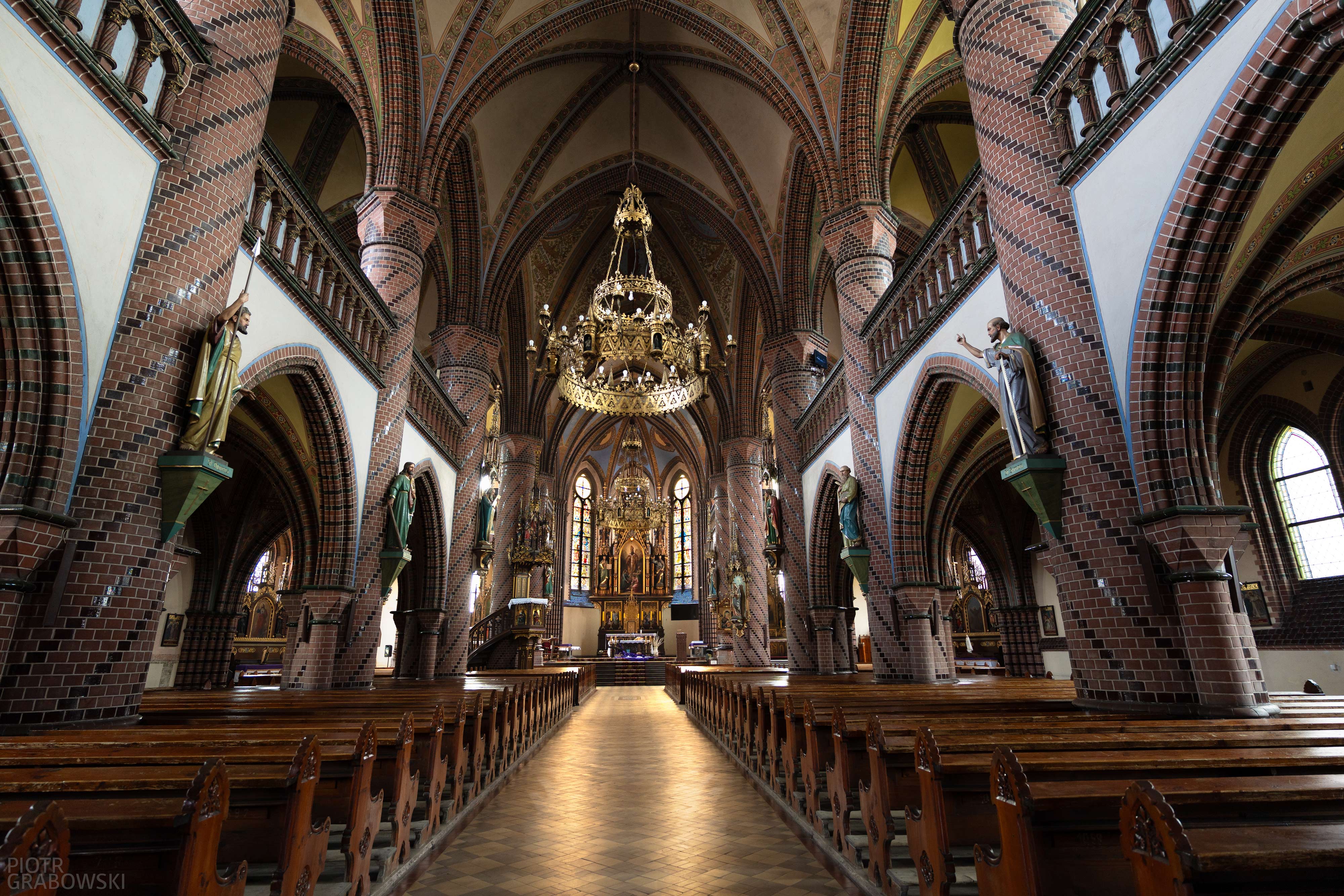
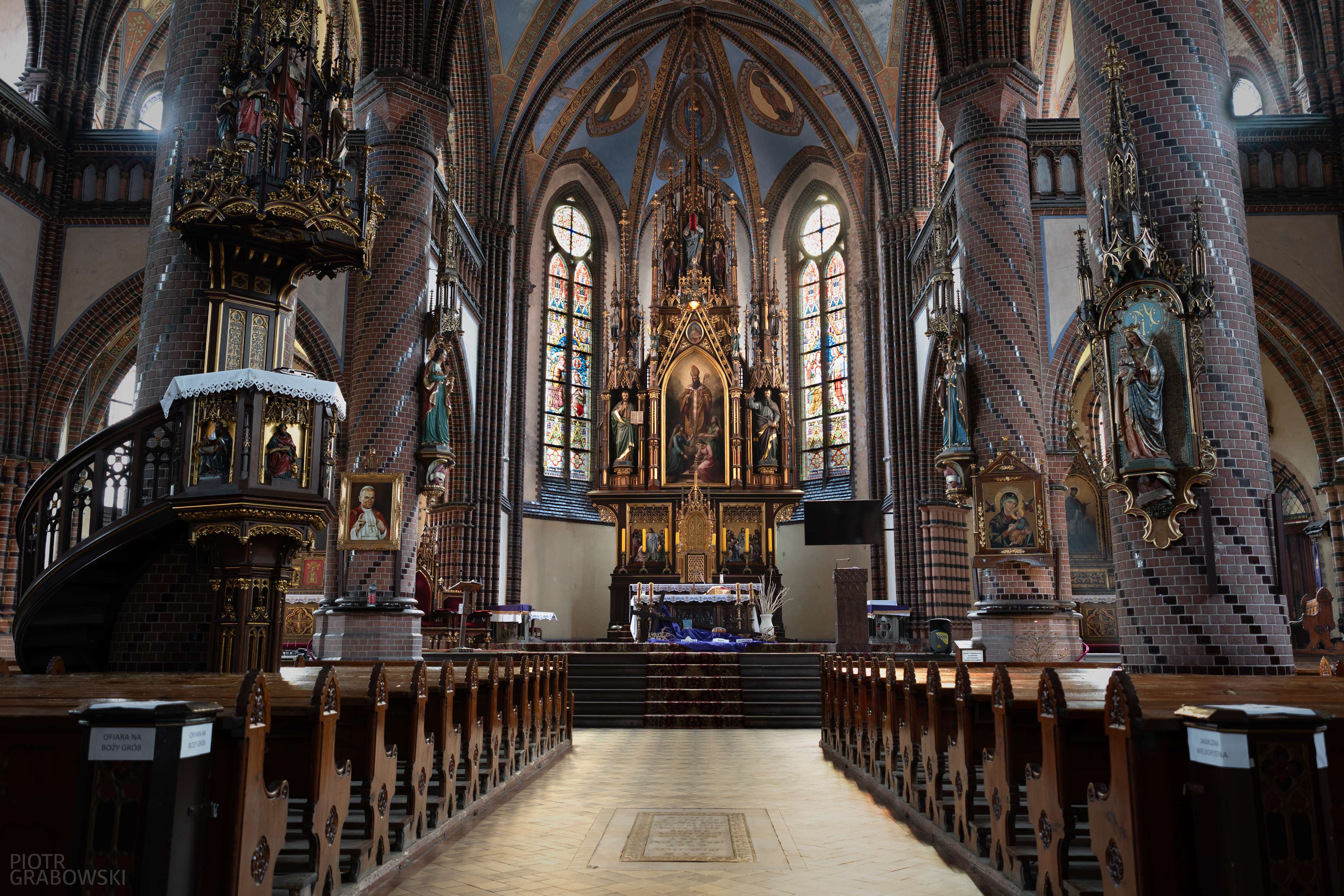
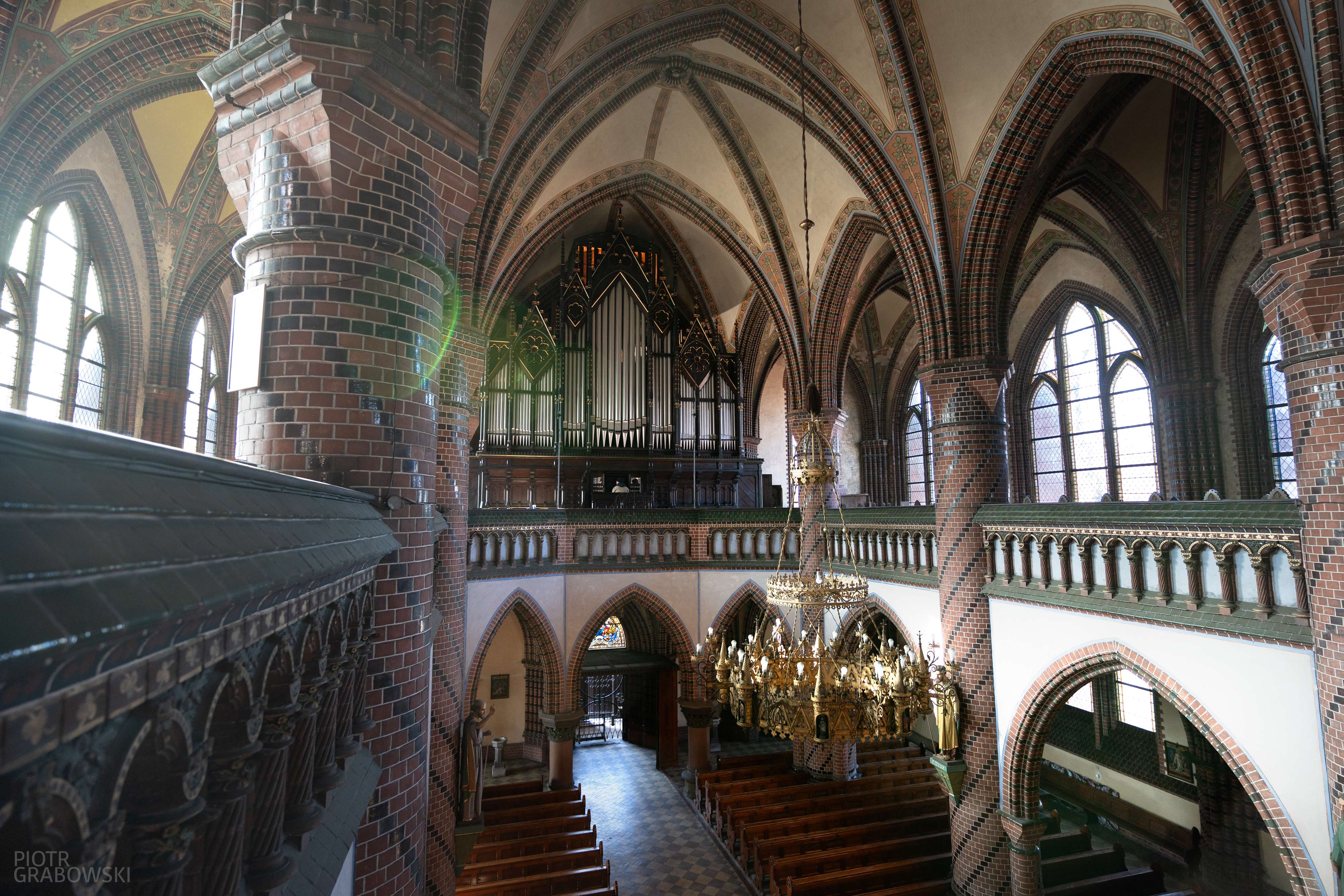
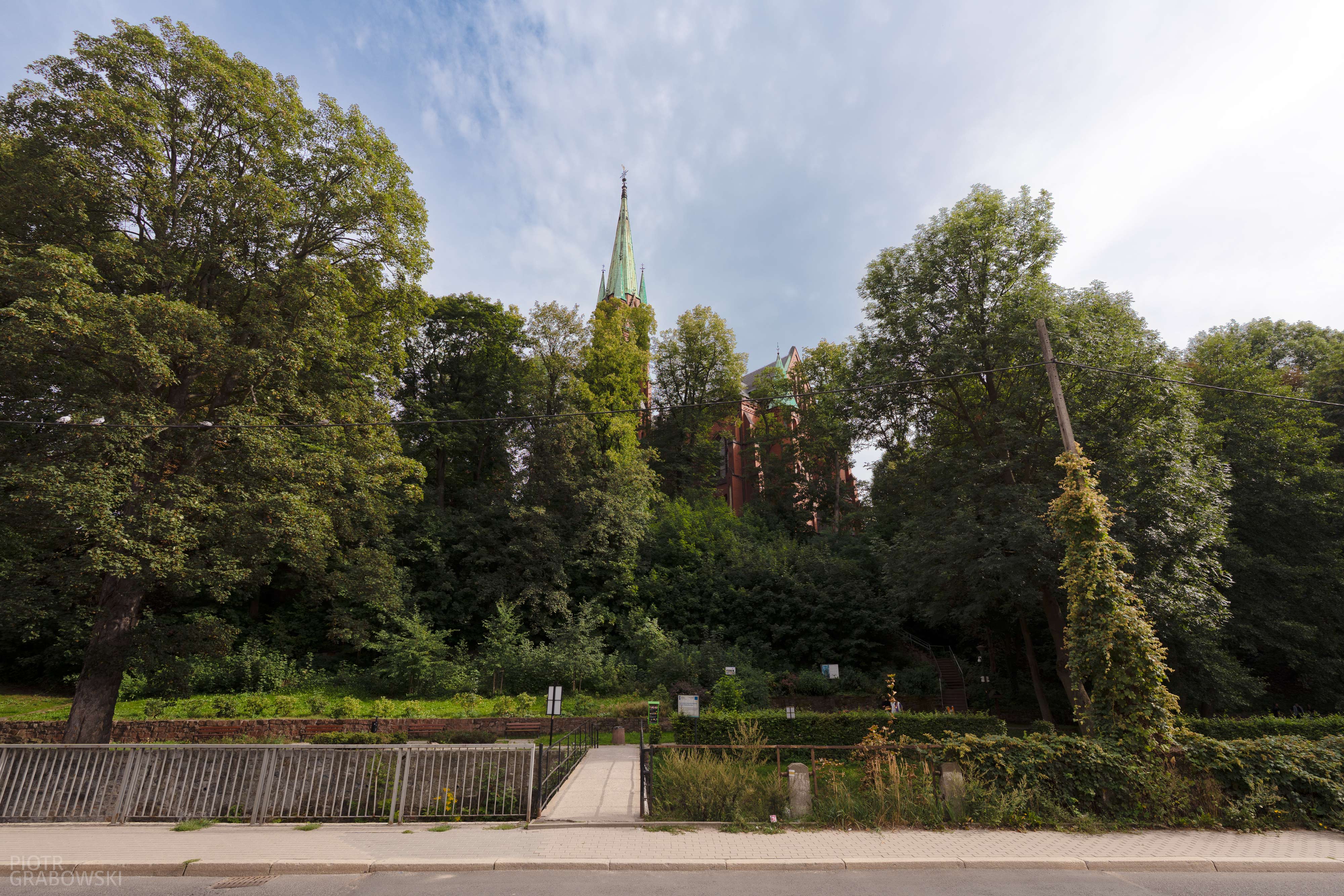
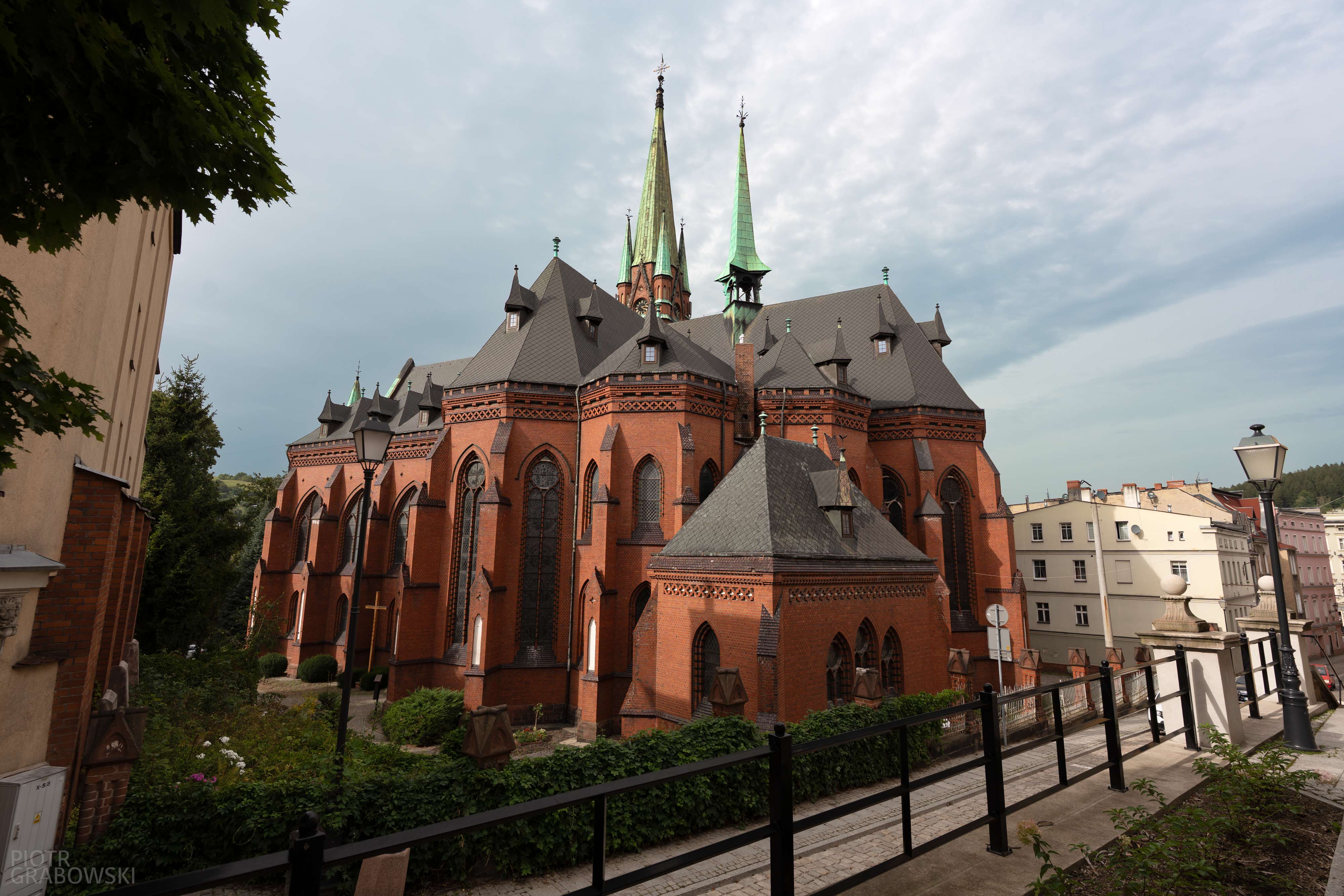
Nowa Ruda (Ger. Neurode) is a town located in Lower Silesia, Poland, nestled in a picturesque, mountainous area. For centuries, it was a flourishing coal mining center, and its industrial wealth allowed for ambitious architectural and cultural projects. The parish church of St. Nicholas stands as a grand monument to this prosperity. The majestic interior required an instrument of equal size and quality, and the organ built for this church remains one of the finest architectural and musical treasures of the region.
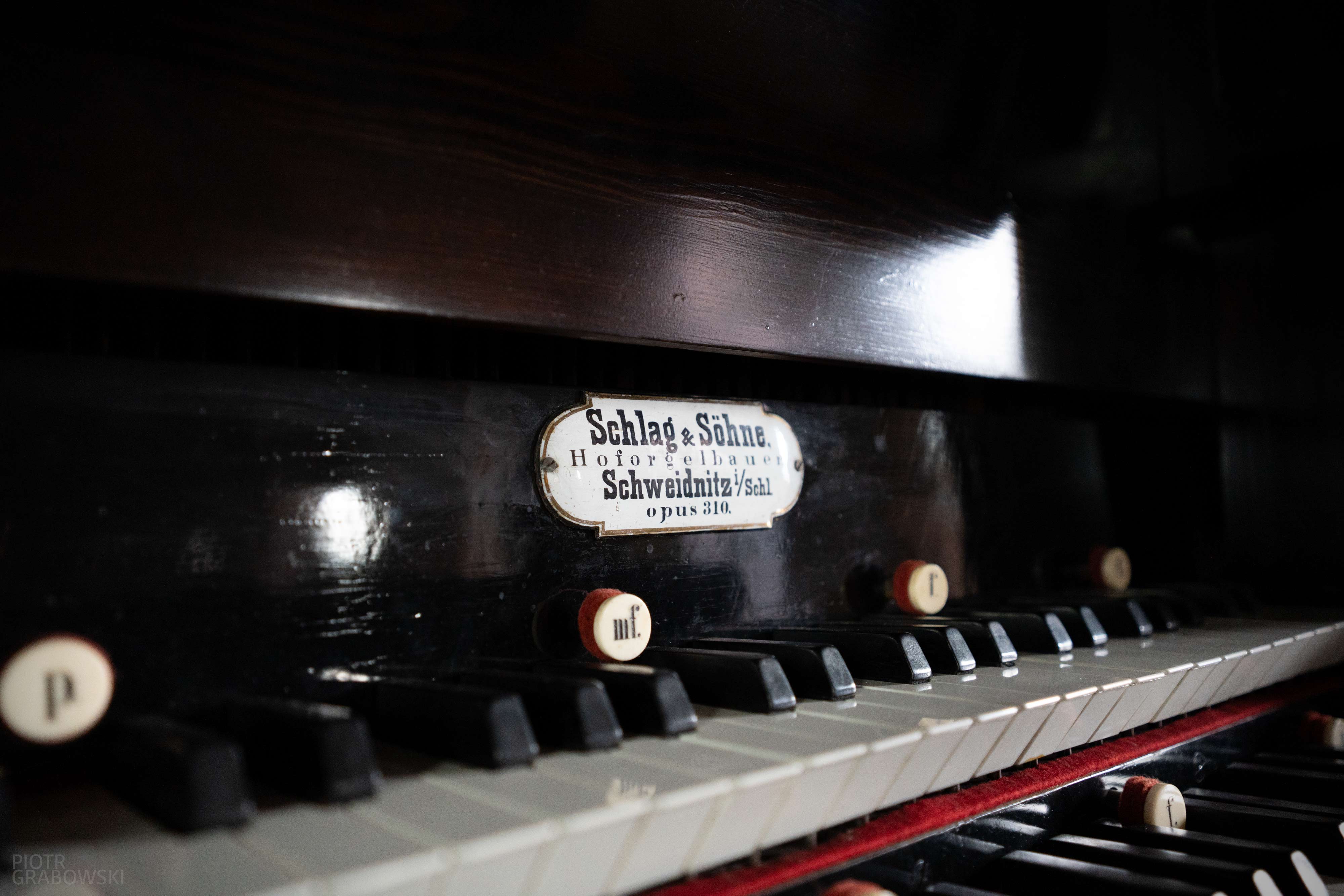
The instrument was crafted by the renowned organ building firm Schlag & Söhne, based in Świdnica (Ger. Schweidnitz). The company was one of the most prominent organ builders in Silesia and Central Europe during the 19th and early 20th centuries, known for their excellent craftsmanship and reliable mechanical and pneumatic actions. The Nowa Ruda organ holds a special place in their output, as it is the largest mechanical instrument ever built by the Schlag workshops before they transitioned fully to pneumatic actions.
The organ can be described as an Romantic instrument. On one hand, its stoplist features rich, warm foundations typical of Romantic organs. On the other hand, the bright and clear mixtures in the Hauptwerk and Oberwerk give the instrument a surprisingly transparent tone reminiscent of Baroque aesthetics.
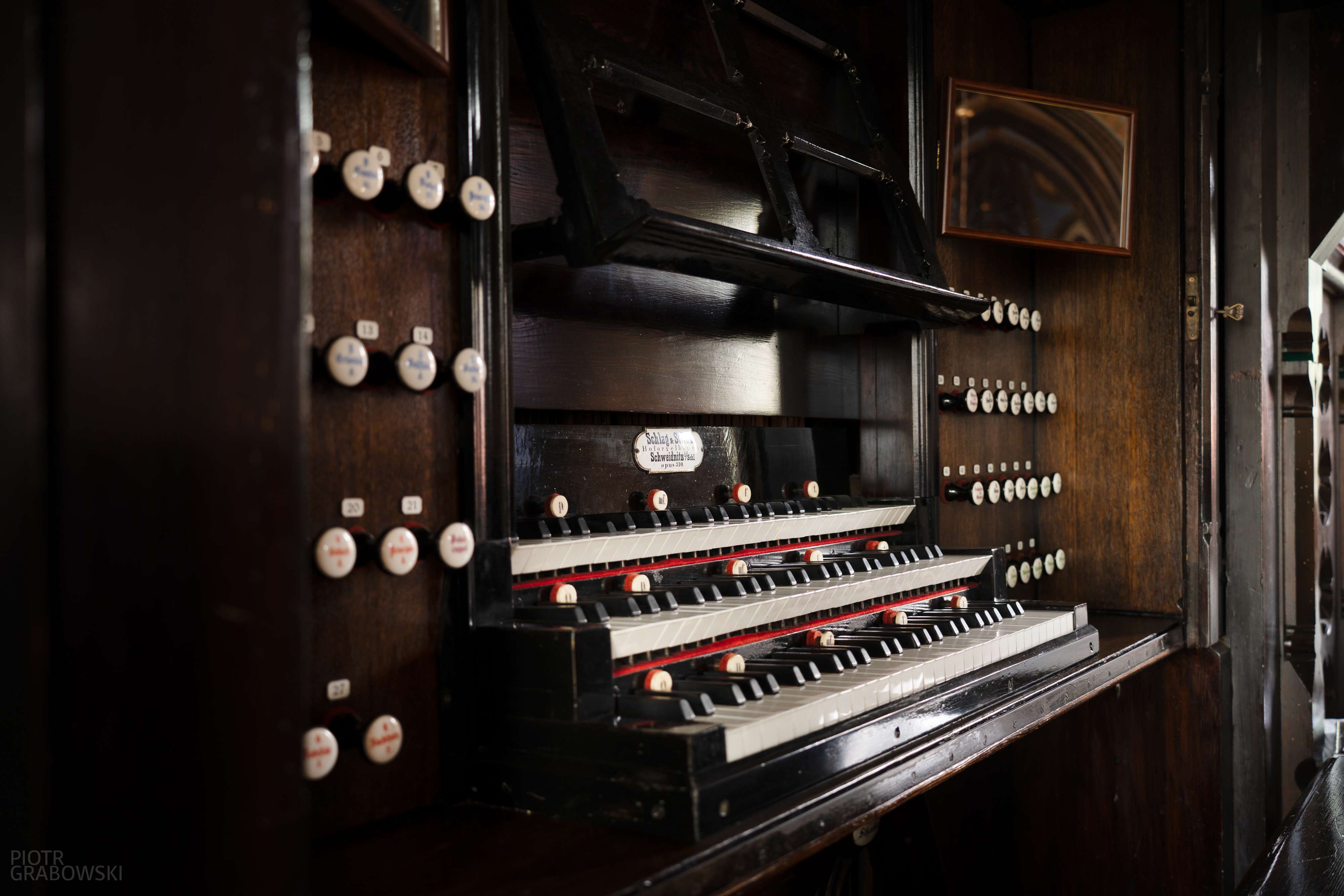
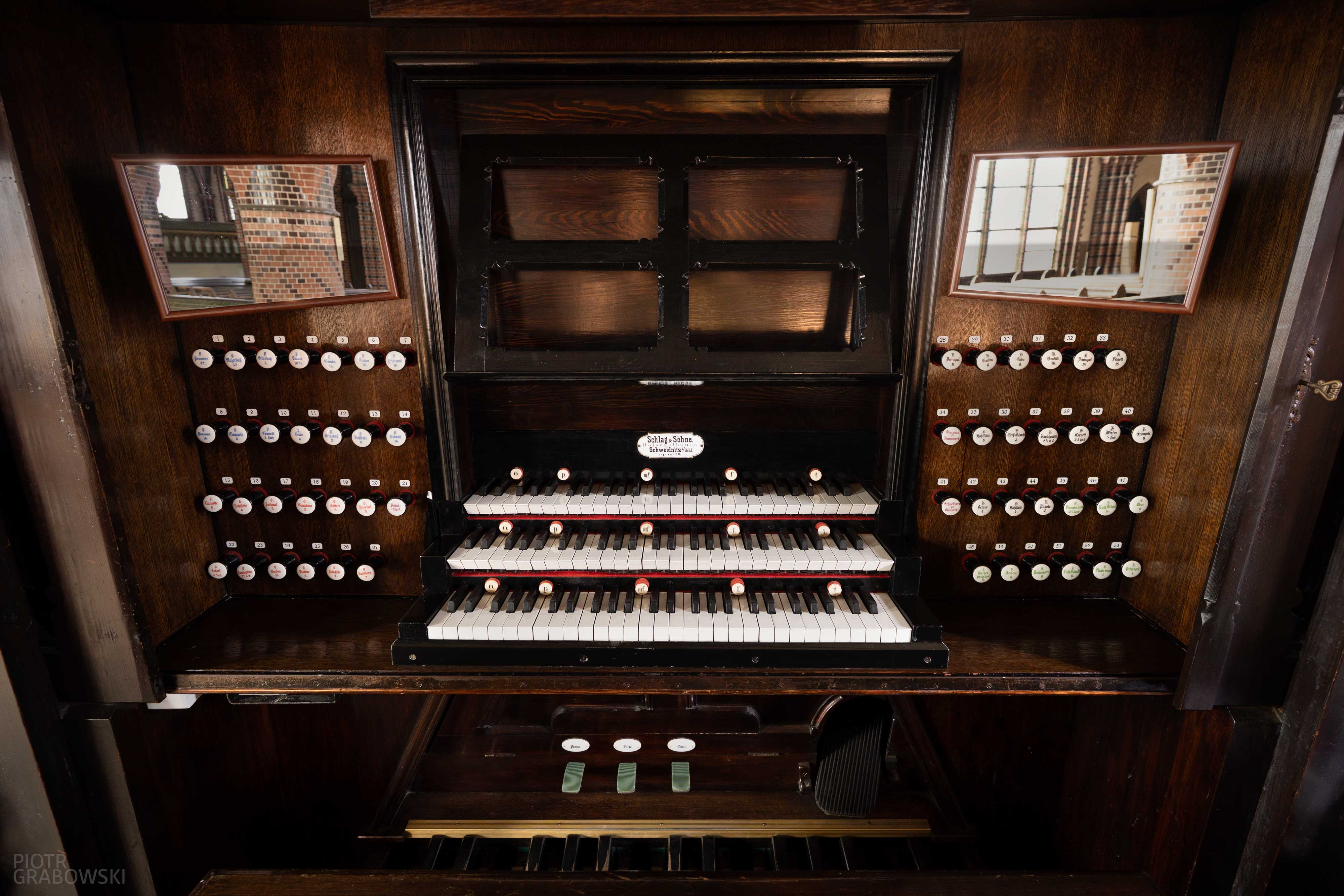
The action is predominantly mechanical, supported by a Barker lever mechanism that assists the coupler action. The stop action is mechanical, but equipped with a pneumatically-assisted system using small bellows to actuate the stop rods. This unusual design allowed Schlag & Söhne to implement “divisionals” – preset combinations for individual manuals in addition to general fixed combinations. This hybrid technical solution is extremely rare and believed to be the only such implementation by this builder. A notable detail of the console is the swell pedal mechanism: when fully closed, a mechanical lever locks the pedal in place, which can then be unlatched with your foot to open the swell box again.
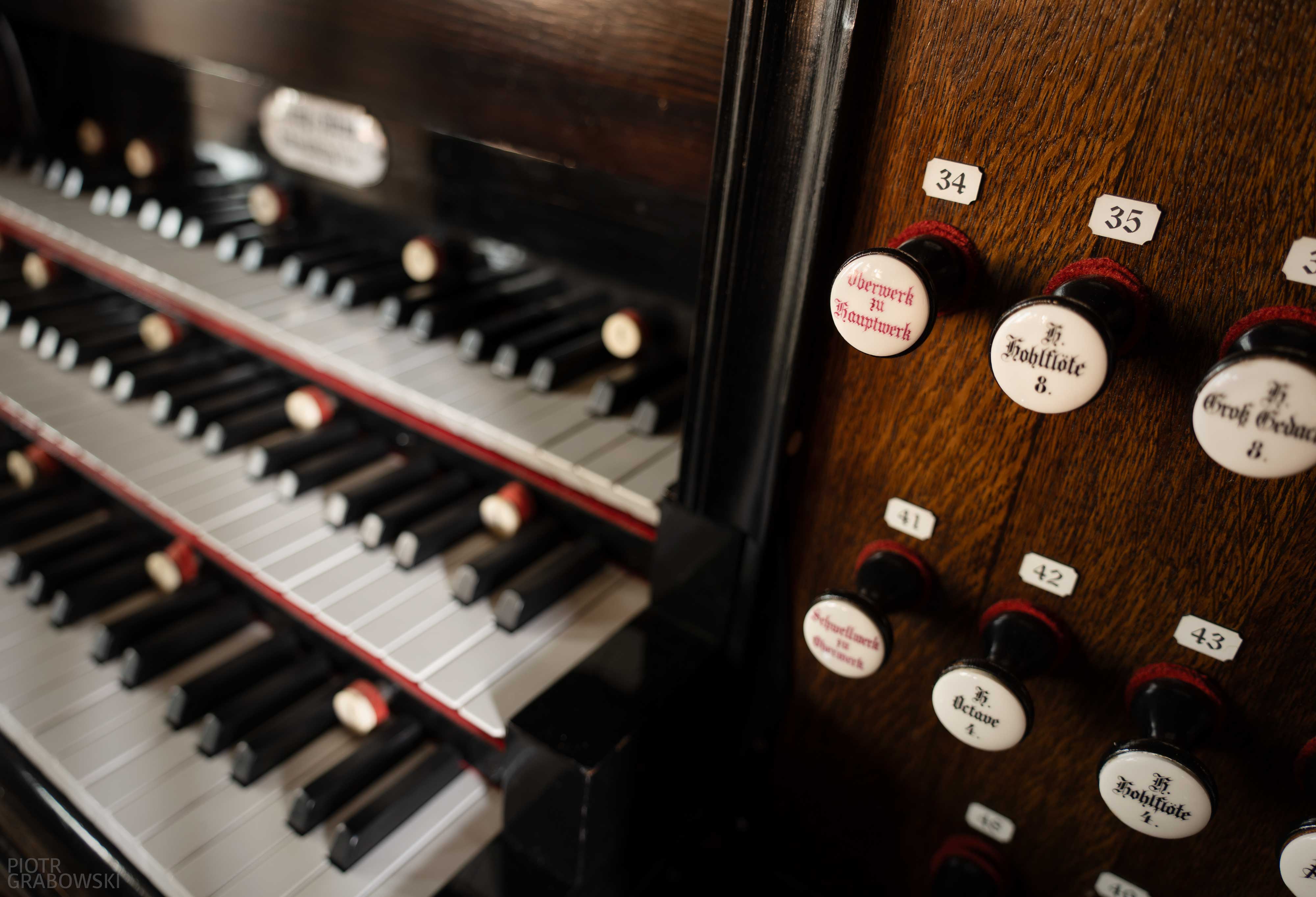
The original organ was built with 50 stops across three manuals (Hauptwerk, Oberwerk, Schwellwerk) and Pedal. In the past, two stops were modified by shortening their pipes: HW Gambe 4′ was shortened to create a Piccolo 2′, OW Octave 4′ was shortened to create a Nachthorn 2′. For the creation of this sample set, the missing original stops (Gambe 4′ and Octave 4′) were reconstructed digitally to reflect the original stoplist. However, the modified 2′ stops were also retained, expanding the sample set to a total of 52 stops to offer players extra flexibility.
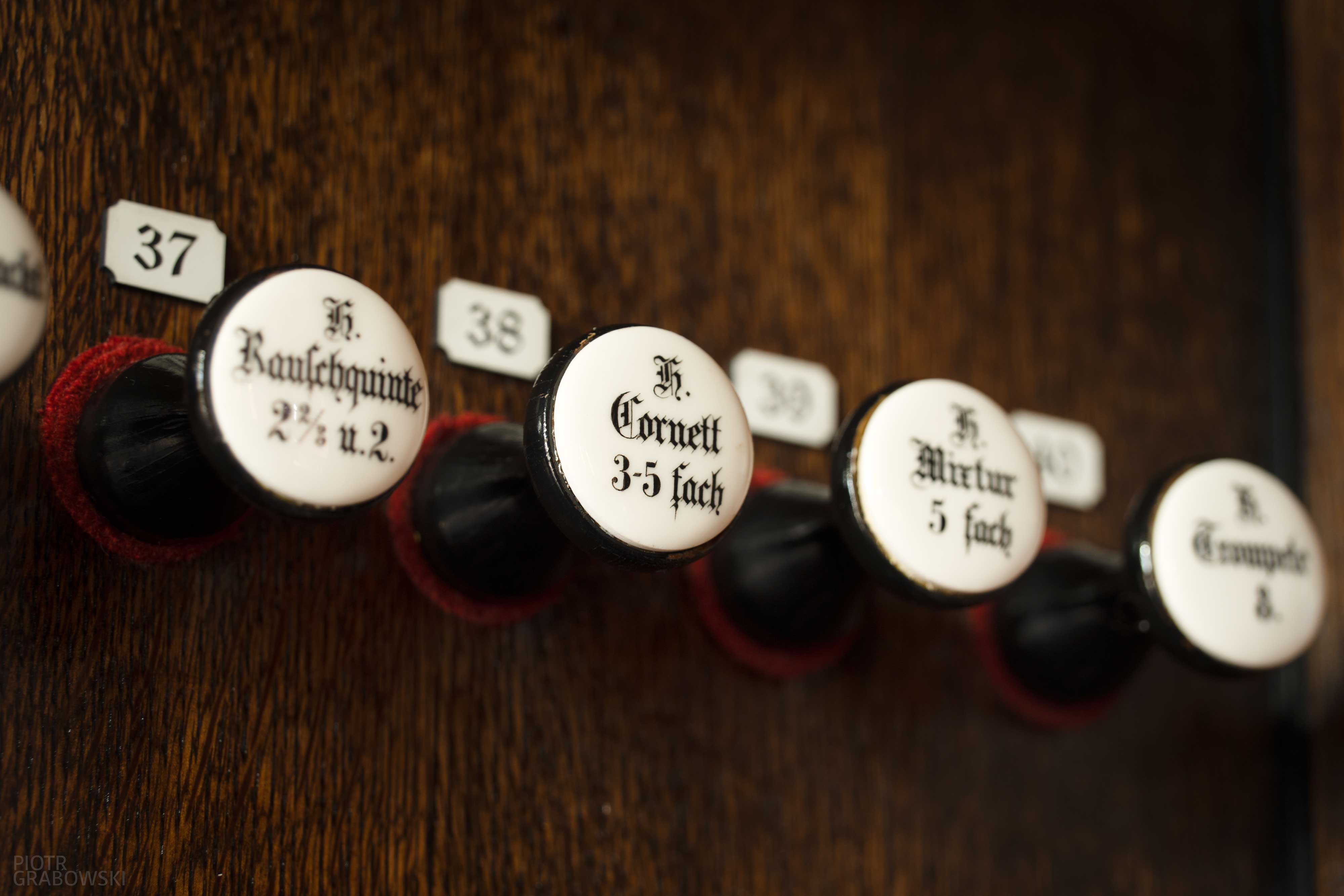
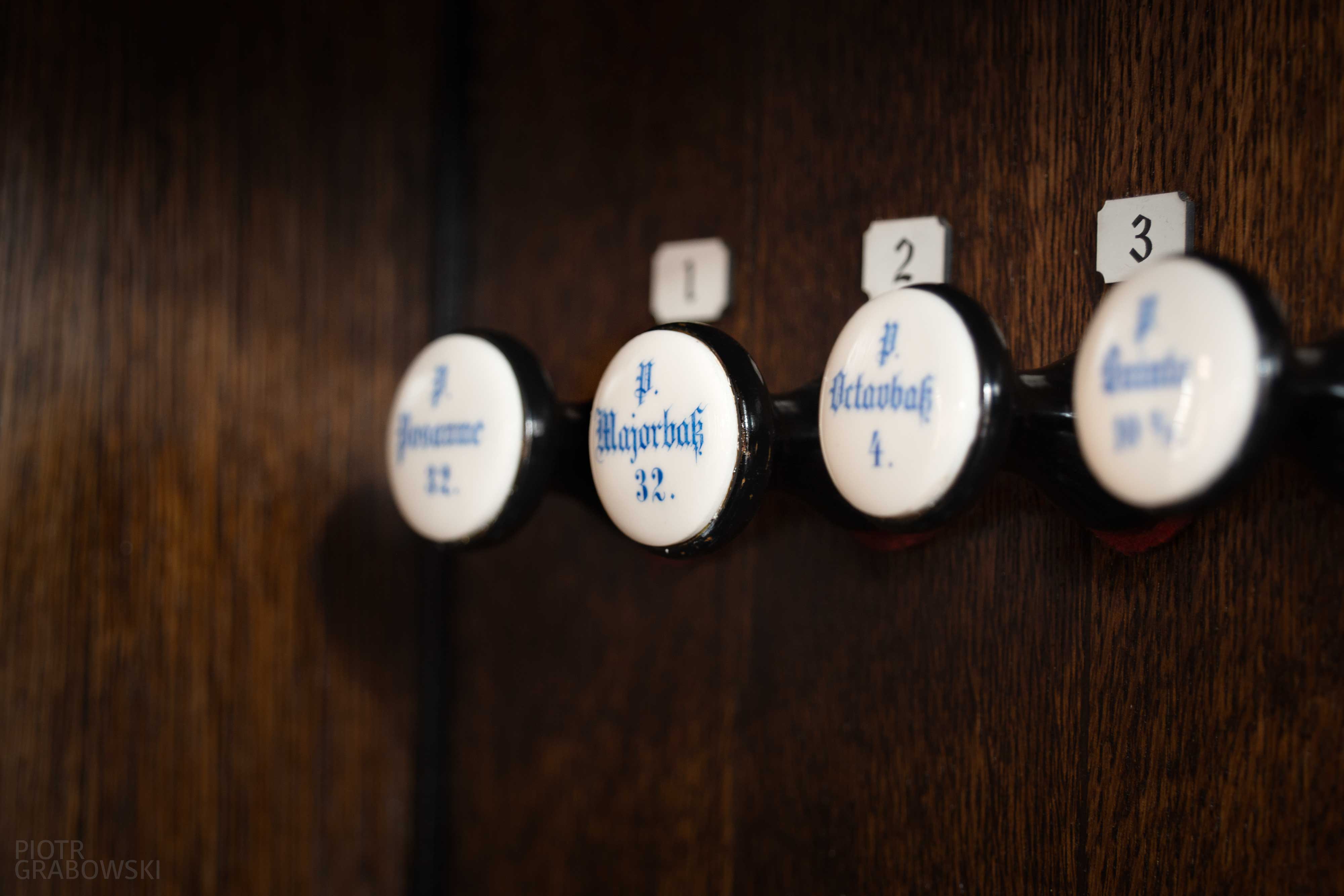
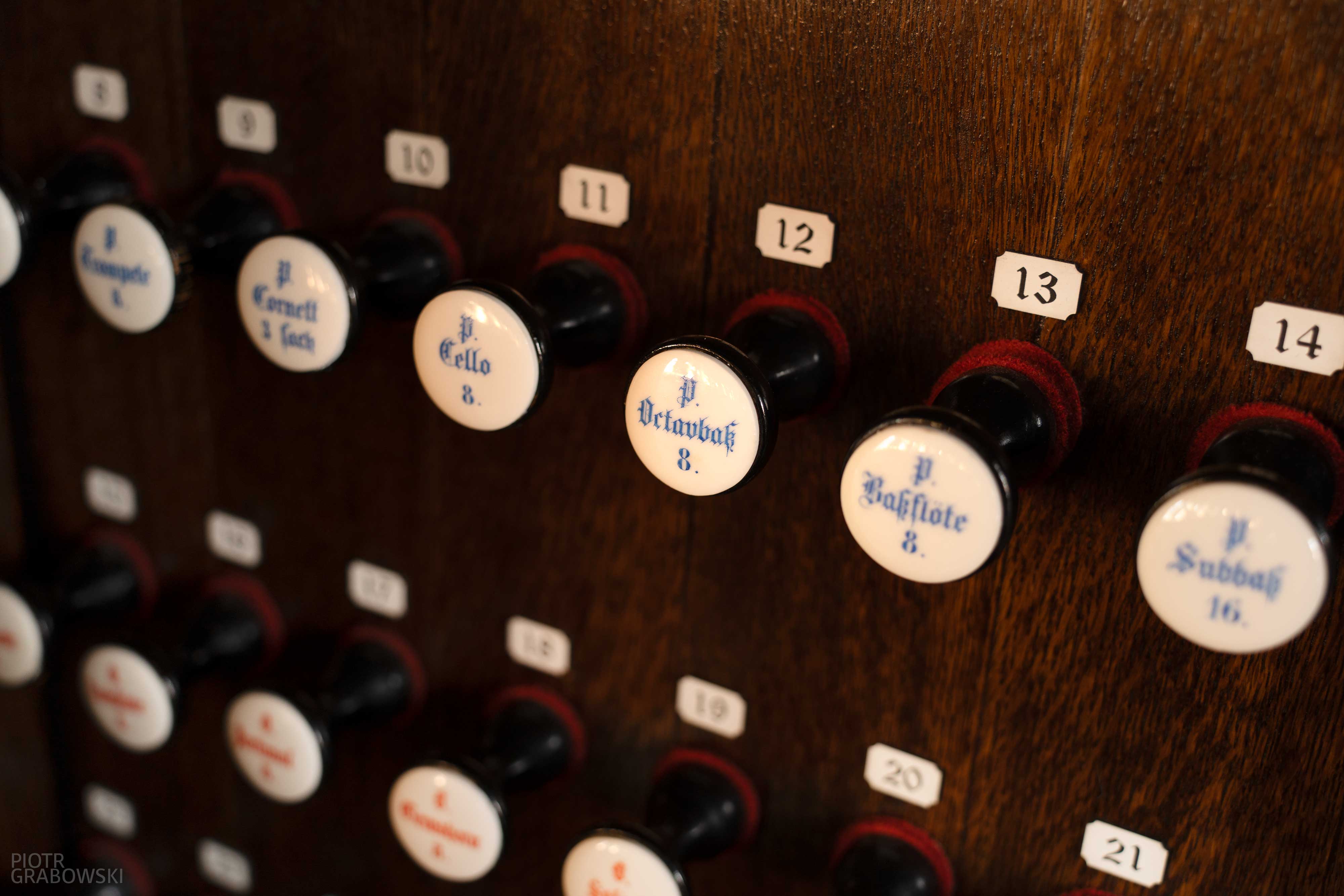
During an earlier renovation, the original register plates on the drawknobs were replaced with new ones of questionable quality, containing translated Polish stop names. As a sign of gratitude for granting recording access, a faithful reconstruction of the original porcelain stop knob faces was provided to the parish, expertly executed by Adam Olejnik’s company, Ars Organum from Sulechów. These porcelain plates were carefully hand-calligraphed and kiln-fired to restore the historic appearance of the console.
The keyboard compass in the sample set was extended in the manuals, from C-f3 (C2-F6) to C-a3 (C2-A6) and in pedal from C-d1 (C2-D4) to C-f1 (C2-F4).
The organ doesn’t have any tremulants. Artificial models were added for each manual division in the sample set, available on the Simple Jamb page.
This sample set offers a rare opportunity to explore a unique landmark of Silesian organ building. With its combination of warm foundation stops, clear mixtures, and unusual technical details, the Nowa Ruda instrument serves as an intriguing and versatile voice for a wide range of organ literature.
Listening perspectives
Using this audio player you can listen to different audio channels the sample set is made of.
Use the sliders corresponding for each audio group to modify its volume.
Johann Sebastian Bach - Prelude in B minor BWV 544/1 performed by Gabriel Wojaczek
Technical details
Order
Choose which version you want to order. If you want to try the demo first, use the Add to cart button close to Demo version label and proceed to the checkout to get the download link. The only limitation of demo versions is the number of available stops. Click Show demo version button under the stoplist to see the available stops.
Updates
No updates have been released so far.